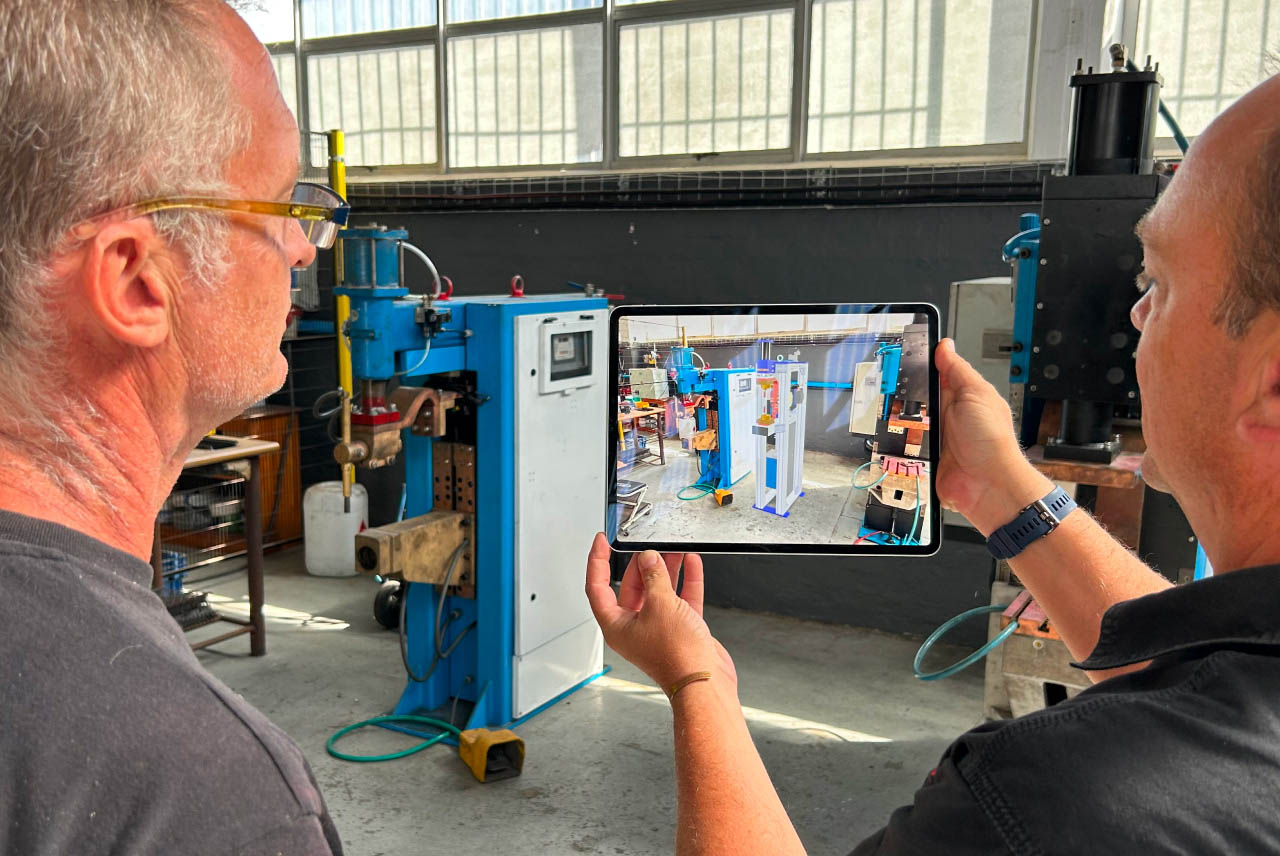
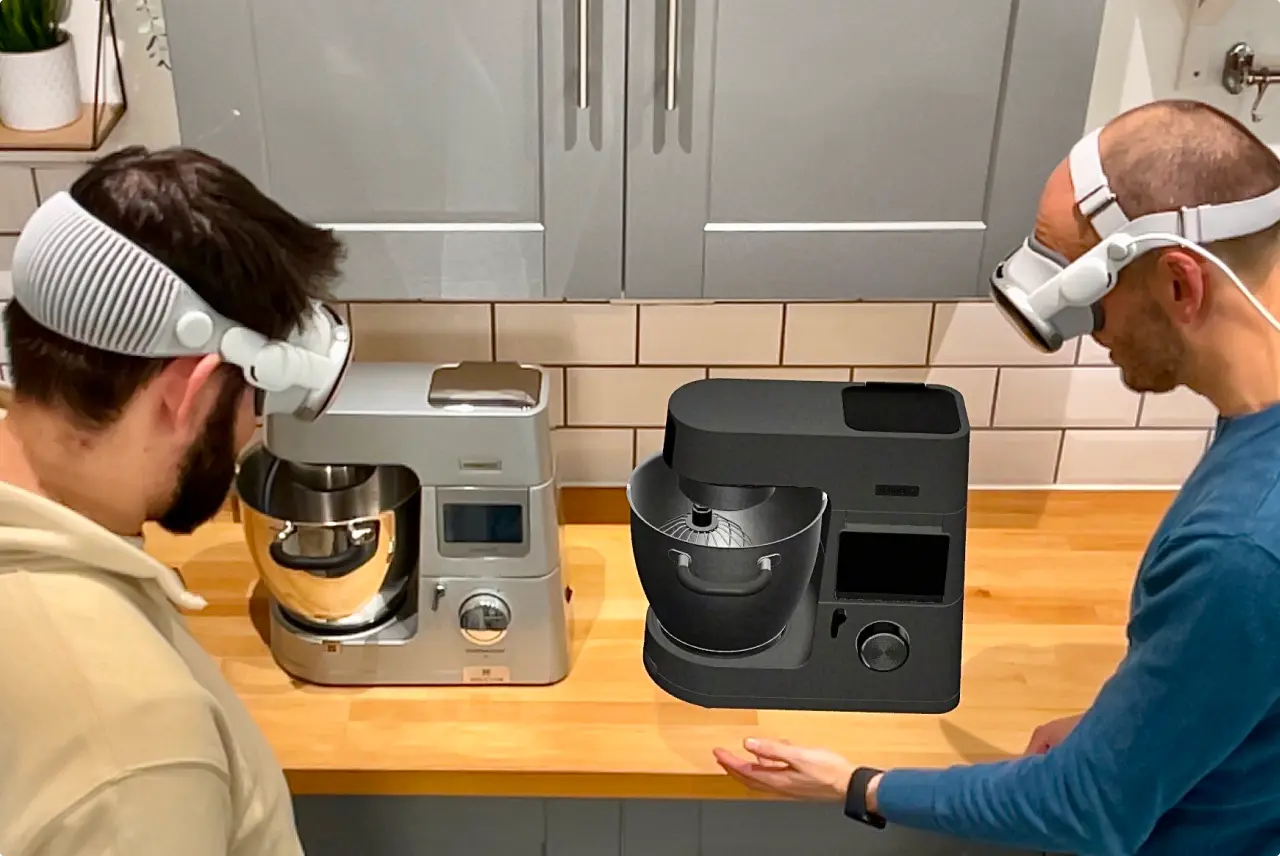
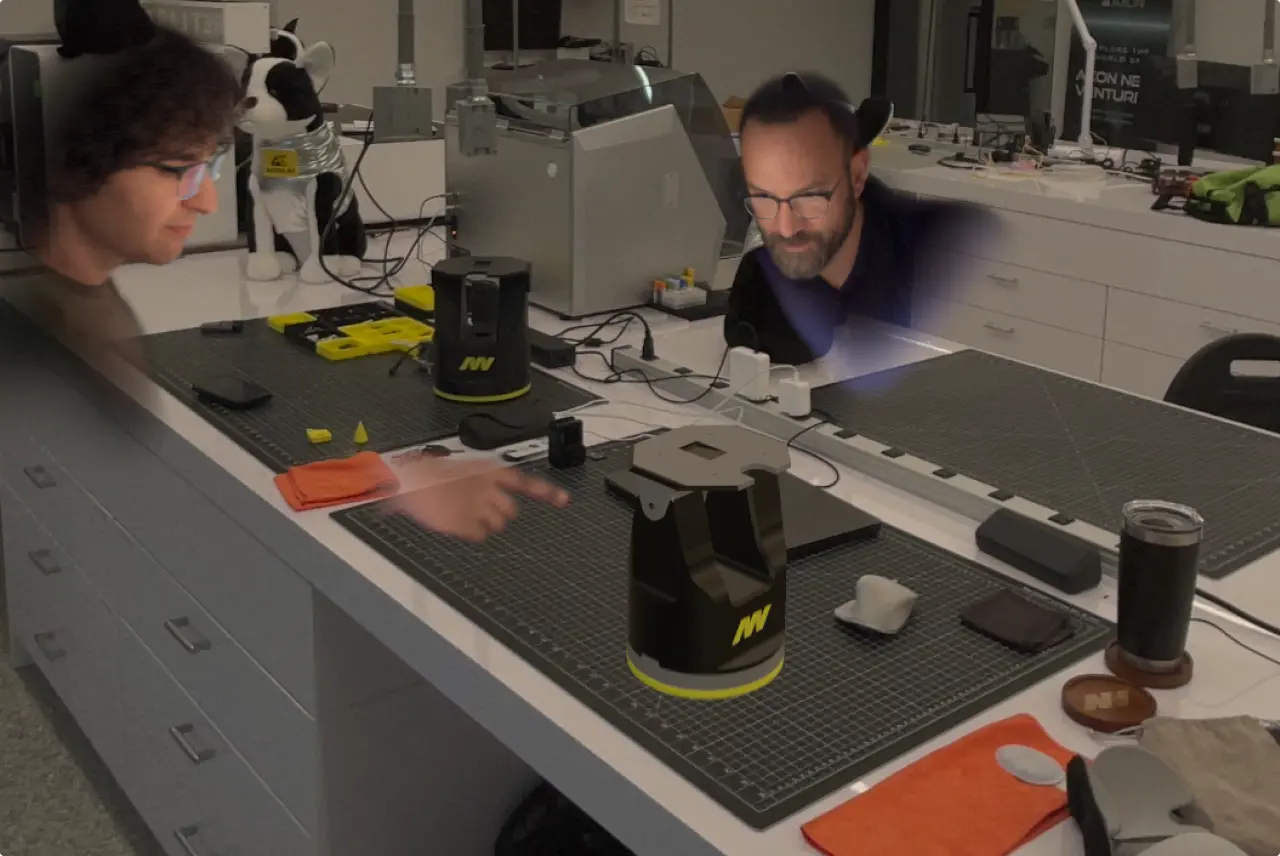
Available for iPadOS, macOS, and Windows, and fully supported on Wacom tablets.

Make manufacturing handoffs quick and easy with 2D drawings that include all the precise technical details and dimensions you need.
Just select your 3D body, choose your preferences, and generate a drawing with the right scale, views, and orientation on your iPad, Mac, or Windows device.
Change the title block layout, include hidden lines, or add multiple projections and different dimension types. Choose your preferred orientation based on ISO or ANSI standards.
Generate multiple drawings of different parts of your project. Find and manage them in the Project Sidebar for easy access — and when your model changes, your drawings update with one click.
Switch between 3D modeling, 2D CAD drawing, and visualization, all in one app. With our adaptive UI, there's no clutter -- just the tools you need to annotate dimensions, add notes, and adjust tolerances on your technical drawing with ease.
Editing your 2D drawing is quick and simple. When you make changes to your 3D model, those edits are reflected in your 2D drawing with one click.
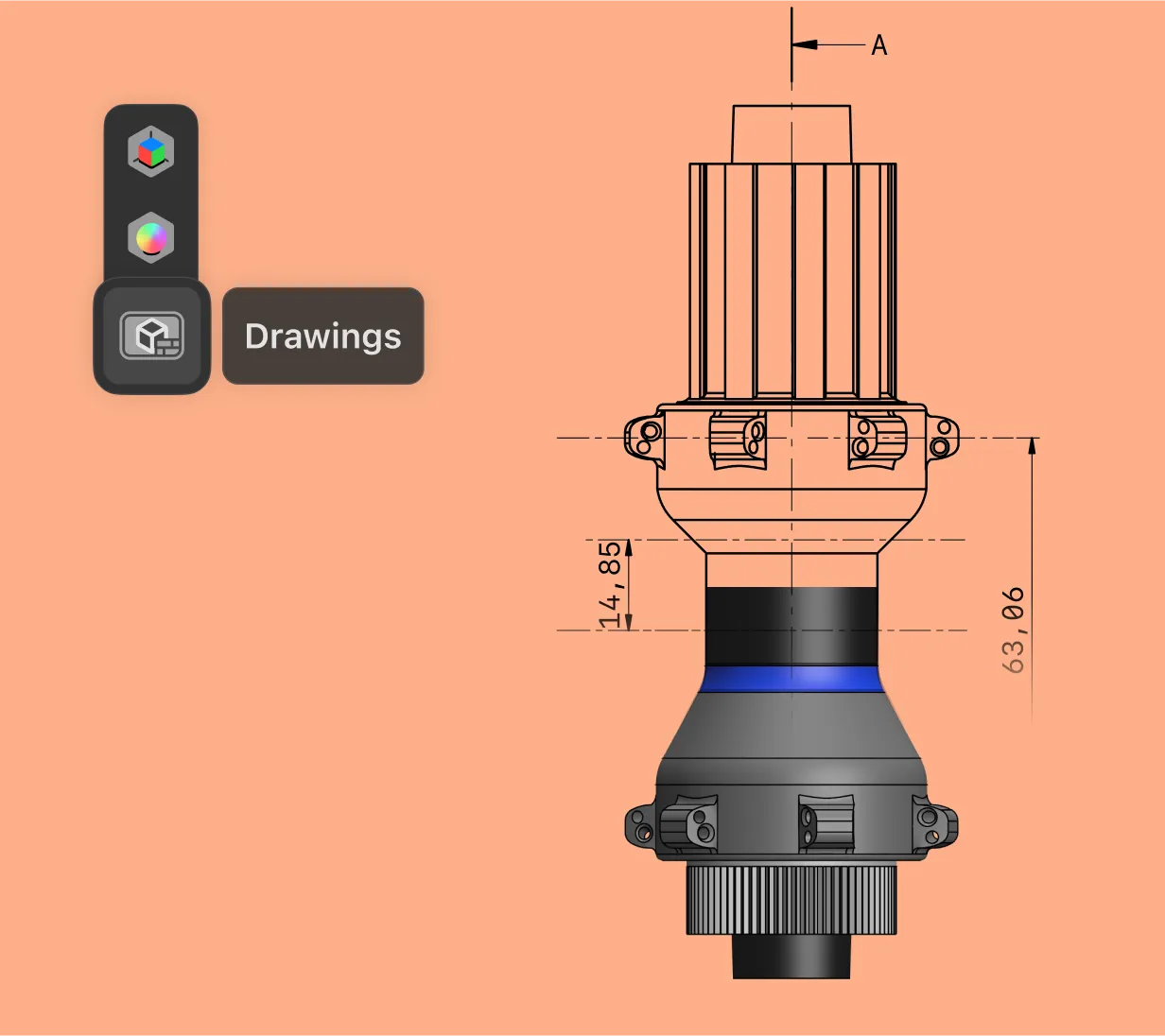
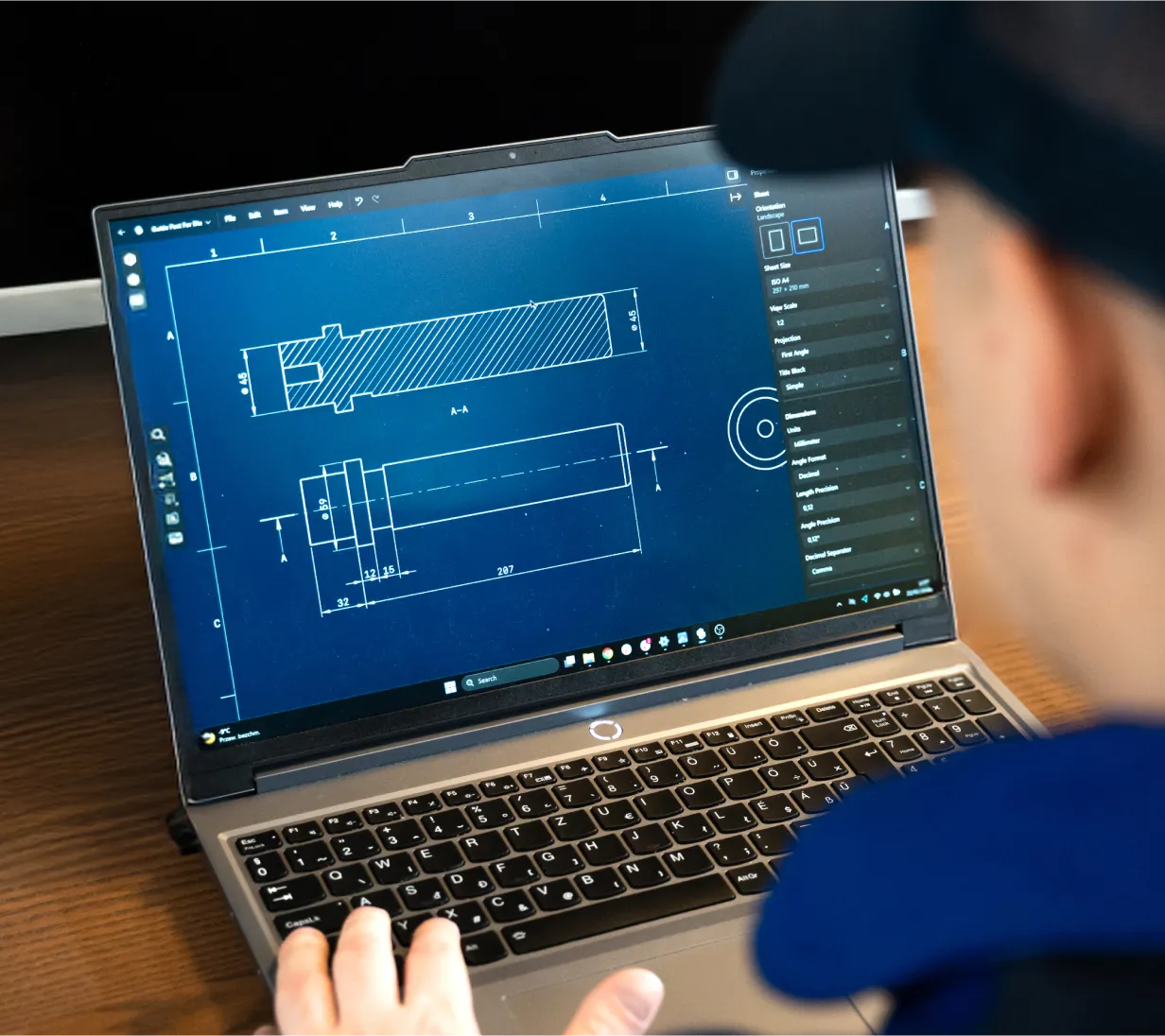
Annotate specific items on the drawing, or add a note to any empty area to provide context or specific details about your project to collaborators.
Include section views so reviewers can see internal details and check fit and function.
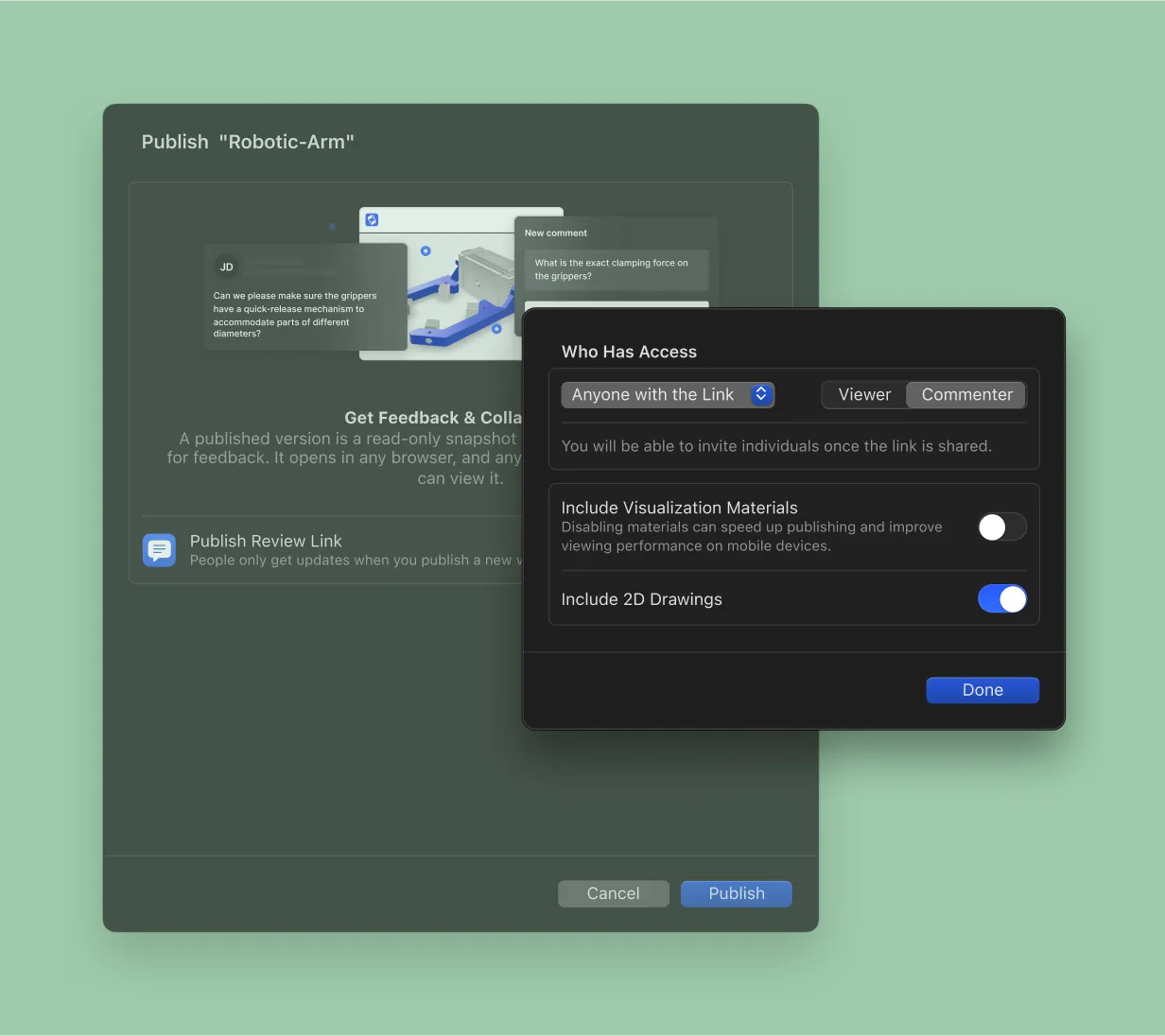
When you publish your project to share with collaborators, your share link can include any 2D drawings associated with your project. You have control over who can access your project and drawings: anyone with the link, your teammates, or individuals invited by email.
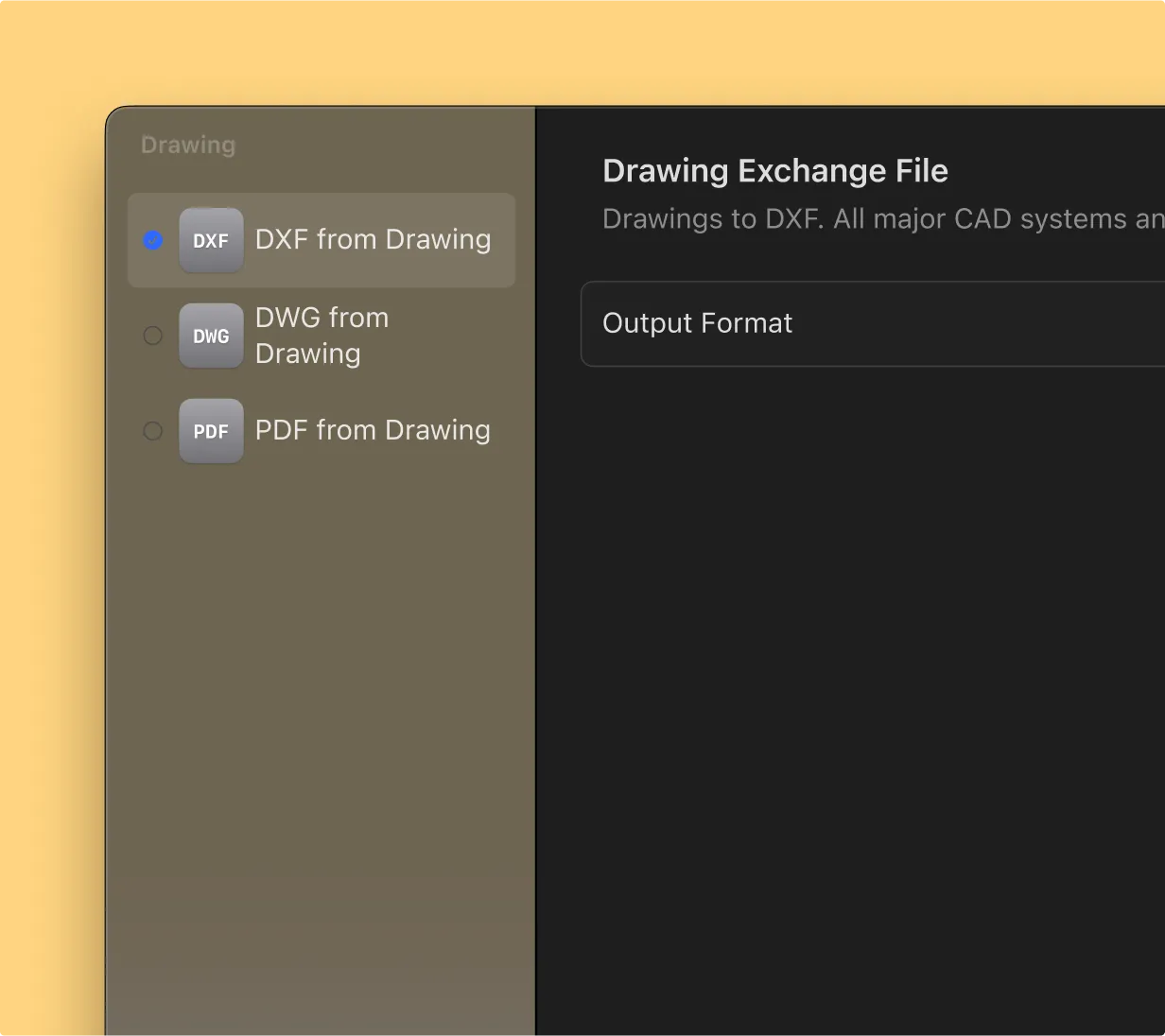
When you're done creating your 2D drawing, export it for review or manufacturing.
Start your free trial of Shapr3D to build your first 3D model and generate 2D CAD drawings.

A 2D drawing is a flattened, technical representation of a 3D object. It uses standardized views (like top, front, and side) to communicate the exact dimensions, tolerances, and material specifications required to manufacture a part. In Shapr3D, you can generate these drawings directly from your 3D models with just a few clicks.
2D drawings are essential for quality control, assembly instructions, and official documentation. Machinists use 2D drawings to understand tolerances (how much a measurement can vary) and surface finishes (how smooth a part should be).
Shapr3D allows you to export your 2D drawings in the most widely used industry formats:
Yes. If you modify the geometry of your 3D model — such as changing a hole diameter or lengthening a bracket — your 2D drawing can be updated to reflect those changes instantly. This ensures your documentation always stays in sync with your design.
Professional 2D drawings follow strict international standards to ensure they can be read by anyone, anywhere. Shapr3D supports both ISO (International Organization for Standardization) and ANSI (American National Standards Institute). You can choose your preferred standard, which dictates how dimensions, symbols, and text are displayed on your sheet.
Yes. By exporting your drawings as DWG files, you can share them with team members using desktop CAD software like AutoCAD. For quick reviews, exporting as a PDF allows anyone on your team to mark up the drawing and provide feedback without needing a Shapr3D license.
A 3D drawing (or model) represents an object with volume, allowing you to rotate it and see it from any angle. A 2D drawing is a static projection of that model onto a flat plane. While the 3D model is used for design and simulation, the 2D drawing is used for communication and manufacturing instructions.
No. While they are famous for blueprints, 2D drawings are used for everything from simple flat-pattern layouts for sheet metal to complex exploded views that show how a multi-part engine fits together. They are also used for patent applications and technical manuals.
Yes. Shapr3D provides a robust set of annotation tools. You can add linear and radial dimensions, centerlines, and specific text notes to explain assembly steps or material requirements. This ensures that the person manufacturing your part has all the context they need to get it right the first time.